

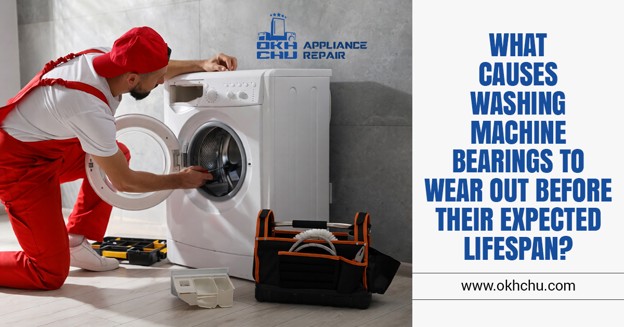
Washing machine gears can withstand years of constant rotation. Quality bearings typically last eight to twelve years without issues. However, you cannot ignore the chances of hearing noises from your machine early.
Early bearing failure rarely happens because of factory defects. Then how do these defects occur? They may happen due to daily laundry habits. Any small mechanical issues in the machine can cause early wear. In short, bad habits push bearings past their limits.
So, let us look at what destroys your washer bearings early. You can easily prevent sudden breakdowns and save money with a few smart changes.
How Do Failed Tub Seals and Water Contamination Impact Bearings?
Did you know that a leaking tub seal kills washer bearings fast? Yes, because bearings sit right behind the outer wash tub. Thick grease protects them from heat and friction. So, a small rubber seal holds water inside the drum and keeps metal parts dry. Over time, hard water and soap buildup destroy this rubber seal.
Then, water leaks past the seal quickly. It cleans away protective lubricant and corrodes your metal bearings. Thus, rusted bearings grind together with a roaring noise during spin cycles. Your machine will shake wildly. Once this seal breaks, getting a professional washer bearing replacement is the only way to restore smooth spinning.
Why Do Frequent Overloading and Heavy Loads Harm?
Washing machines have strict weight limits for a real reason. Stuffing too many heavy towels or thick jeans into one load puts huge pressure on the center shaft. Overloading pulls your inner tub down fast. Uneven wear occurs due to this force forcing metal bearings out of line. Continually doing this rapidly damages your machine by breaking internal bearing balls.
Do Damaged or Ignored Suspension Springs Make the Problem Worse?
Your washer relies on an internal support system to absorb harsh movements during high-speed spins. If your machine shakes violently, a damaged or extended suspension spring could be the secret offender.
When you need a washer spring replacement, the machine can no longer keep the wash tub centered. As the uncentered tub bounces wildly, it places extreme, uneven shock loads on the tub bearings. Operating a washer with bad springs will destroy new bearings in a brief amount of time.
How to Prevent Early Bearing Failure
You can extend the life of your washer bearings with a few easy routine modifications:
- Avoid overloading: Wash heavy blankets in smaller loads. Balancing your laundry protects your washer and keeps parts running smoothly.
- Use the right detergent: High-efficiency detergent prevents excess suds. Using HE soap shields your rubber tub seal from severe chemical harm.
- Fix vibrations early: Fix shaking and bouncing right away. Stopping off-balance errors early protects your washer’s internal metal parts from costly damage.
Conclusion: Get Your Laundry Days Back with OKHCHU Appliance Repair
Is your washing machine roaring like a jet engine, shaking violently, or leaking water? Do not wait for a small leak to cause further damage. Rely on experts from OKHCHU Appliance Repair. Our team can bring back your peaceful laundry days.
We offer fast diagnostic and repair services for top-load and front-load washers across North Carolina and South Carolina. Our background-checked mechanics arrive in completely reserved trucks prepared to repair your machine.
Do you need a precision washer bearing replacement, a fast washer spring replacement, or total suspension service? If yes, then rely on us. We can do the job right the first time. Contact us today to plan your service visit. Our experts can help you enjoy smooth, quiet laundry days again.
Frequently Asked Questions (FAQs)
1. What are the main causes of early washing machine bearing failure?
Issues such as leaking seals, overloading, excessive vibration, and worn suspension cause washing machine bearings to fail prematurely. If the bearings do not have a seal, then water can get to them, causing excessive corrosion. Overloading can cause too much stress. By fixing any leaks and strange noises, you can help prevent any early damage to the bearings and save you money.
2. How can a leaking tub seal damage washing machine bearings?
The seal helps to stop water from getting to the bearings. If the seal wears down or gets damaged, water can get into the bearings, causing them to lose their lubrication and rust. Over time, this can cause a loud grinding or roaring noise as your washing machine spins. By checking it early, you can help prevent further issues.
3. Can overloading a washing machine cause bearing failure?
Yes, if you continuously overload your washing machine, it can put excessive pressure on the drum, shaft, and bearings. If your load is too heavy or unbalanced, it can cause excessive vibration. To help limit this, always follow the manufacturer’s guidelines for how much you should be putting in, and wash large items separately. This will reduce the pressure on your machine.
4. Can damaged suspension springs affect washing machine bearings?
Yes, damaged suspension can cause the washing tub to move too much. This can cause uneven pressure and put extra strain on your bearings. By replacing any worn suspension, you can help protect your washer. If you are having consistent vibrations, then you can try to fix this. A technician will be able to advise if the suspension needs fixing or if the bearings need replacing.
5. How can I prevent premature washing machine bearing wear?
To help prevent premature wear, avoid overloading, use the correct amount of detergent, and fix any leaks. Check for any strange grinding noise, excessive vibration, and consistent imbalance. Regular servicing will also help, as it can identify any worn seals or suspension.